


MOZA R16 Ultra vs R21 Ultra vs R25 Ultra: Which Should You Buy?
The MOZA R16 Ultra, R21 Ultra and R25 Ultra True Torque are closely related direct drive sim racing wheelbases, but the right choice isn't automatically the model with the biggest torque number. All three have powerful flat-wire motors and sophisticated force-feedback control. What you pay extra for is headroom — and, in the R25's case, an additional physical torque-measurement system.
Our view? The R16 Ultra offers the strongest overall value, the R21 Ultra suits drivers wanting more sustained reserve, and the R25 Ultra is the most compelling technical upgrade if you specifically value True Torque sensing. Here is how the differences play out in real use.
MOZA R16 vs R21 vs R25 Ultra: Quick Comparison


*UK recommended retail prices (RRP) shown as of November 2026. Actual selling prices may vary; check each product page for the latest price. The standard sustained ratings (16/21/25Nm) are not the same as the optional 18/23/27Nm software-unlocked peak outputs. The free increase requires compatible Pit House software, wheelbase firmware and activation.
What Do All Three MOZA Ultra Wheelbases Have in Common?
All three use direct drive flat-wire motors, a 21-bit magnetic encoder with more than two million positions per revolution and a 600MHz processor. They also share MOZA's NexGen Force U1 control approach, compatible quick-release steering wheels, configurable RGB strips and support for iRacing 360Hz force feedback and Wheel LFE when using suitable firmware and simulator settings.
That is important because the R16 isn't a stripped-back, older technology merely because it costs less. It shares much of the underlying architecture of its bigger siblings. More Nm means more available turning force; it does not, by itself, prove better physics interpretation, more useful road detail or faster lap times.
MOZA R16 Ultra: The Best Value for Most Enthusiasts
The R16 Ultra provides 16Nm of sustained torque, with an optional software-enabled 18Nm maximum. That is already a considerable amount of resistance through a steering wheel. Many road, GT and formula car setups will feel convincing at much lower forces, leaving the motor with useful reserve to convey changes in load.
It retains the core features of the Ultra family: the 21-bit encoder, high-density flat-wire motor, NexGen Force U1 processing and supported iRacing high-frequency feedback. You gain an adjustable, high-end sim racing experience without paying for output you may never use.
Buy the R16 if: you want a strong all-rounder for competitive and recreational racing, value sensible spending and don't habitually use extremely heavy feedback settings. It's our default recommendation for most drivers choosing between these three.
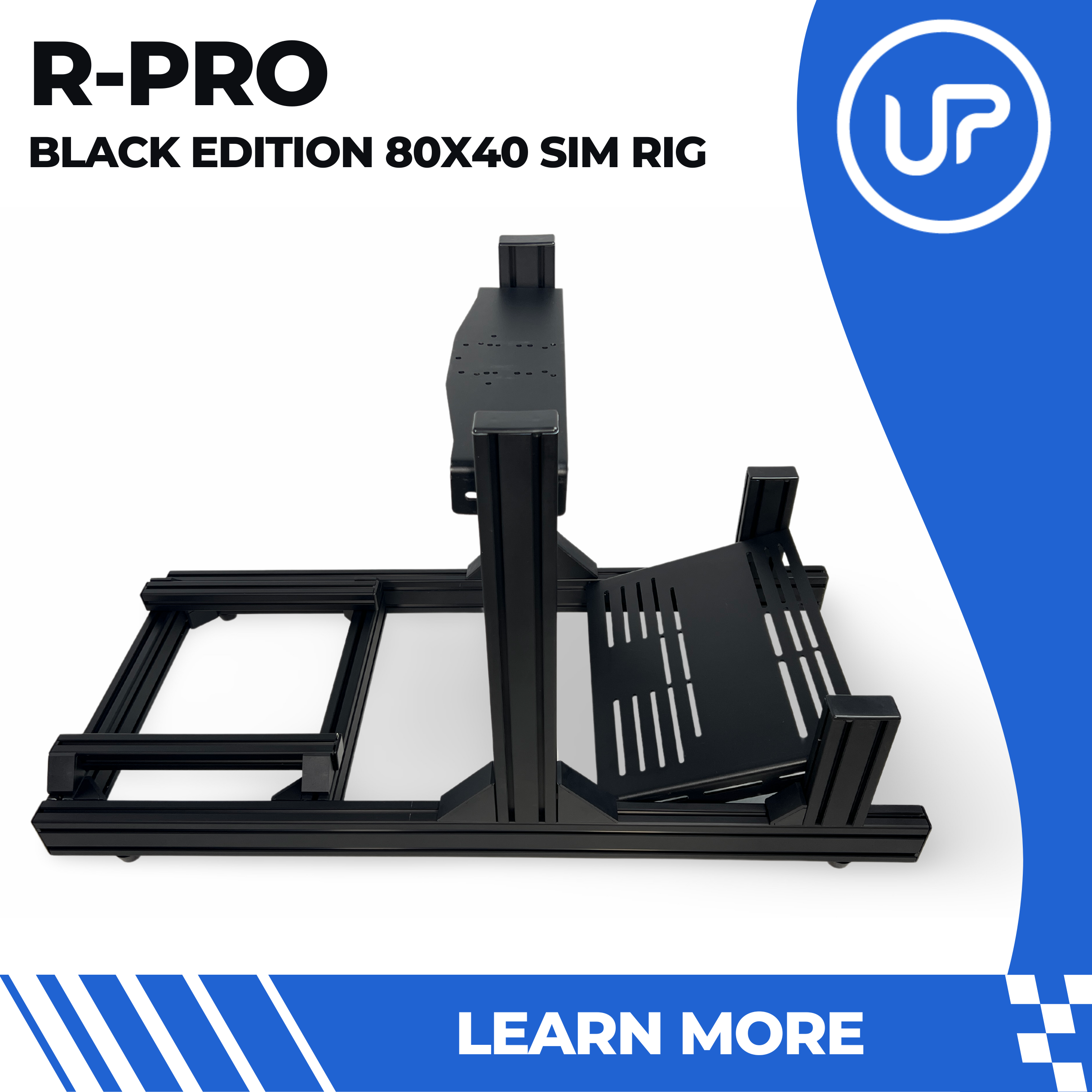
UPSHIFT cockpit recommendation: R-PRO. The R16 Ultra is our recommended pairing for the R-PRO cockpit, using secure, compatible wheelbase mounting hardware.
MOZA R21 Ultra: The Sweet Spot for Extra Headroom
The R21 Ultra steps up to 21Nm sustained and an optional 23Nm maximum following the Ultra-series unlock. It has an additional 5Nm sustained capacity compared with the R16, while retaining the familiar MOZA software, 21-bit encoder and flexible mounting.
Why does headroom matter? Consider a corner where you prefer about 9Nm at the wheel. Both bases can deliver that load; the R21 has considerably more room for short spikes from kerbs, high tyre loads or quick steering corrections before hitting the motor's physical ceiling. That additional range is useful even if you never race at 21Nm continuously. It does not fix clipping caused by excessive in-game force-feedback gain.
The R21 does not add the R25's built-in physical True Torque sensor. What it primarily buys is more sustained motor output. That makes its value proposition straightforward: if your current preferred strength is already near what the R16 can comfortably deliver, the extra reserve can be worthwhile.
Buy the R21 if: you use larger steering rims, prefer stronger force-feedback settings or want serious high-torque flexibility without paying specifically for True Torque sensing.
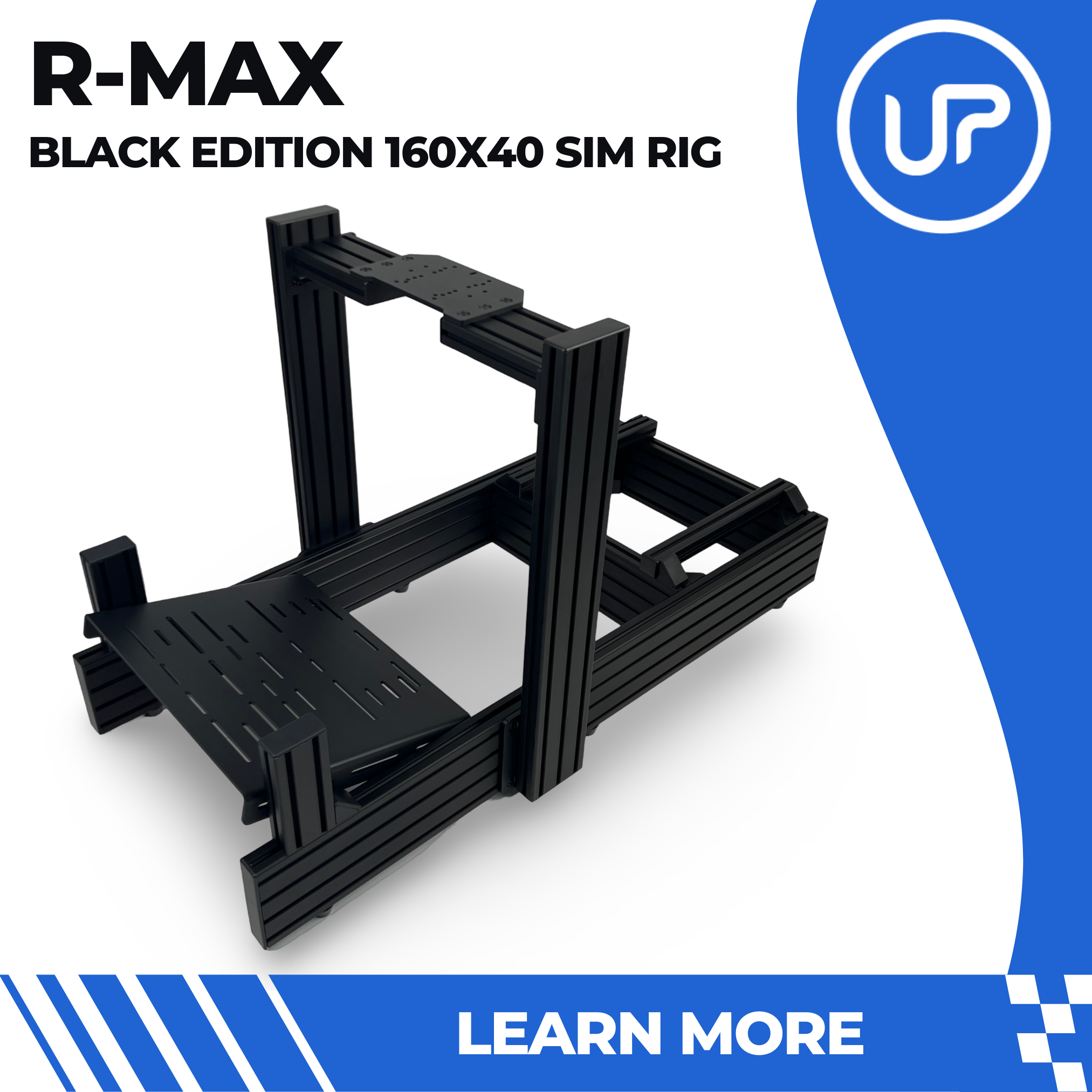
UPSHIFT cockpit recommendation: the R-PRO with Brace Kit or the R-MAX. The Brace Kit is required for our recommended R21-on-R-PRO configuration; the R-MAX provides additional rigidity and upgrade headroom.
MOZA R25 Ultra: Why True Torque Is the Real Difference
The R25 Ultra True Torque adds another 4Nm sustained output over the R21, bringing it to 25Nm sustained with a supported software-unlocked 27Nm maximum. But the strongest argument for buying it is not those four extra newton-metres.
The R25 has a built-in direct torque sensor. MOZA specifies 0.1% measurement accuracy and up to 2kHz sampling, allowing the wheelbase to read its actual output torque instead of relying exclusively on estimates derived from motor control. This provides the control system with direct feedback about the force being delivered.
The R25 also features MOZA's zero-cogging flat-wire motor design and the rest of the Ultra-series software features. These are genuine engineering differences, though not a guarantee of better lap times or a universally preferred steering feel. The simulation, firmware, wheel settings and driver's preferences still matter.
Buy the R25 if: you're building a flagship PC simulator and deliberately want the physical torque-sensing technology as well as maximum headroom. You can appreciate that engineering while setting normal steering strength far below 25Nm.
Rig pairing: choose the R-MAX, suitably mounted, and treat the wheelbase's very high output with respect.
Is the Extra Torque Worth the Extra Money?
At the RRPs shown in the table, stepping from the R16 to R21 costs another £200 for 5Nm extra sustained capacity. Moving from R21 to R25 also costs another £200, but adds 4Nm sustained and the True Torque sensor. This is why we think the R25's strongest technical value comes from direct torque measurement rather than raw motor size.
Force feedback also has diminishing returns. Moving from a weak wheelbase to a good direct drive system can transform the experience. Moving from an already powerful 16Nm motor to 21Nm is useful for some drivers, not everybody. Moving beyond 25Nm of potential resistance is even harder to justify for a typical home simulator, particularly when excessive strength can increase fatigue and interfere with fine steering inputs.
Think of a small engine versus a large V8: both can maintain a modest cruising speed, but the bigger motor has more in reserve for acceleration. Similarly, a more powerful wheelbase can produce your usual steering force while leaving more capacity for peaks. The analogy is helpful, but doesn't prove an automatic longevity advantage; real durability depends on motor design, cooling, electronics and usage. Our Force Feedback: The More the Merrier? guide covers this in detail.
Which One Would UPSHIFT Recommend?
- MOZA R16 Ultra: our pick for most buyers. Exceptional capability without paying for extreme motor headroom.
- MOZA R21 Ultra: the logical step up when you know you want substantially more sustained output but not the extra True Torque hardware.
- MOZA R25 Ultra: choose it when the built-in physical torque sensor and flagship specification genuinely matter to you.
Also consider where else your budget could improve the experience. A rigid rig, high-quality pedals, a suitable steering wheel and comfortable seating can make a greater difference than several extra newton-metres you seldom use. Our specific cockpit pairings are straightforward: R16 Ultra — R-PRO; R21 Ultra — R-PRO with Brace Kit or R-MAX; R25 Ultra — R-MAX.
Platform and Racing-Game Compatibility
The Ultra series is designed primarily for Windows PC. Compatible PC simulators include iRacing, Le Mans Ultimate, Assetto Corsa, Assetto Corsa Competizione, Assetto Corsa EVO, Automobilista 2, rFactor 2, RaceRoom and supported F1, rally and Forza titles. Game features and telemetry vary, and you may need to configure control mapping or feedback in MOZA Pit House.
For Xbox, compatibility depends on using the officially licensed MOZA ESX steering wheel with a supported wheelbase and game; the wheelbase alone is not sufficient. PlayStation is not officially supported. Confirm individual steering-wheel and accessory compatibility before ordering.
Frequently Asked Questions
Does MOZA's free torque unlock work with all three Ultra wheelbases?
Yes. MOZA officially lists an additional 2Nm of maximum available torque: R16 Ultra 18Nm, R21 Ultra 23Nm and R25 Ultra 27Nm. You need a supported Pit House release, appropriate firmware and completion of the software unlock. These maximums are not new sustained ratings.
Does the R25 Ultra's True Torque sensor make me faster?
Not automatically. It adds direct physical output-torque measurement and a more sophisticated feedback-control input, but lap times still depend on car physics, correct tuning and driving skill. The R16 can be an excellent racing wheelbase.
Is the R21 Ultra just a cheaper R25?
No. The R21 delivers 21Nm sustained and lacks the R25's built-in True Torque sensor. The R25 has both more motor capacity and a distinct measurement system. Whether that difference is worth paying for depends on your priorities.
What cockpit should I use with each wheelbase?
Our recommendations are: R16 Ultra — R-PRO; R21 Ultra — R-PRO with Brace Kit or R-MAX; and R25 Ultra — R-MAX. Always verify fixing-hole patterns, mounting hardware and installation.
Can I use one MOZA steering wheel with all three?
They support compatible MOZA quick-release steering wheels, including options from our MOZA Steering Wheels collection. Check the exact wheel generation, firmware and platform if you intend to change between bases.
Explore the MOZA Wheelbases at UPSHIFT
View the full MOZA Direct Drive Wheelbases range or contact UPSHIFT if you would like help matching a wheelbase, steering wheel and cockpit to your intended cars and simulations.
Sources: MOZA R16 Ultra specifications; MOZA R21 Ultra specifications; MOZA R25 Ultra specifications; MOZA Ultra-series software torque unlock. Firmware features and manufacturer specifications may change.